LIR / OOS investigations
80%+
Investigation time reduced by more than 80%.
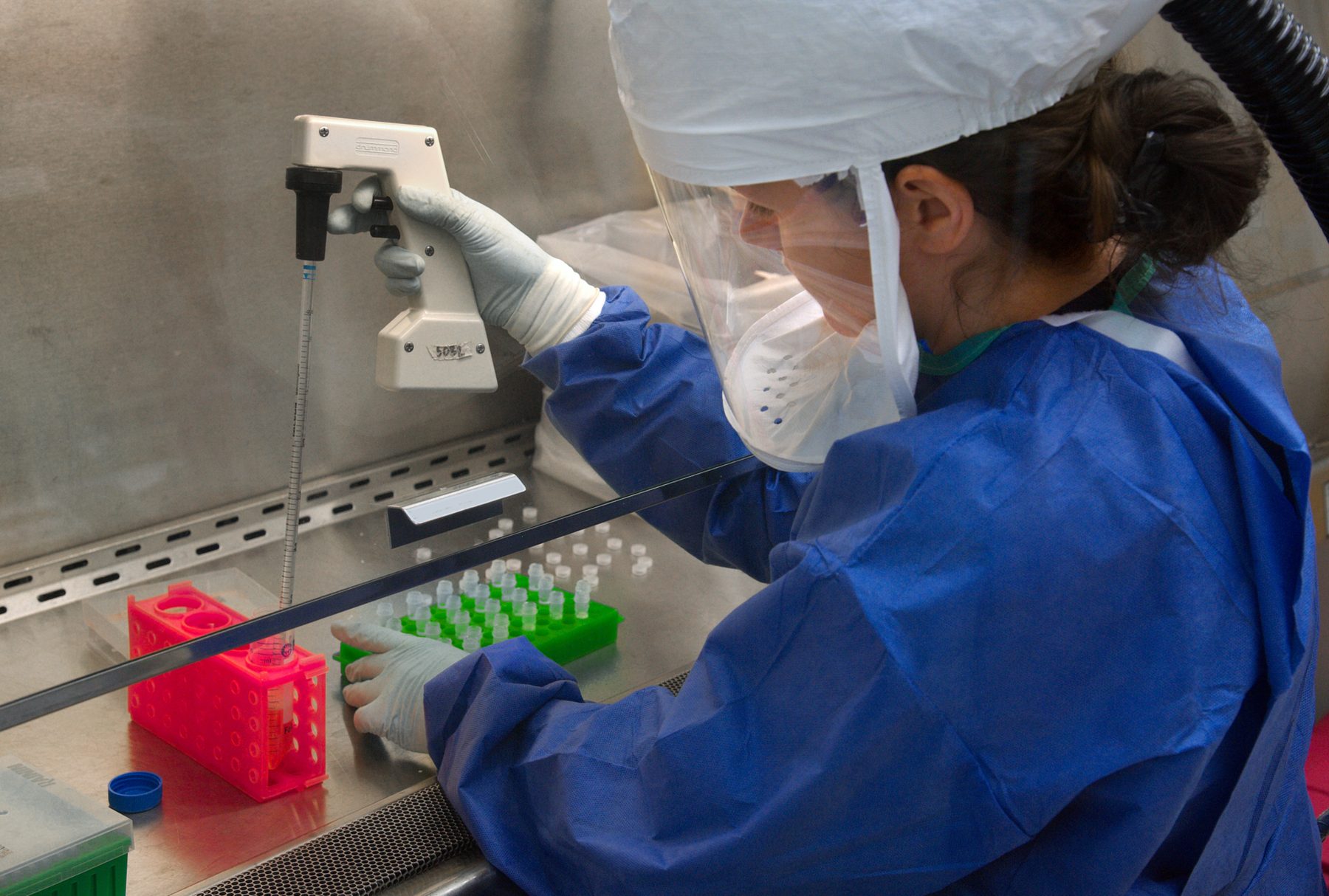
Out-of-spec results used to mean days of pulling audit trails, prep records and instrument logs by hand. The agent assembles the Phase 1 packet from the run data with every piece of evidence cited, and QC reviews and signs.
Pharma contract testing lab · quality control group
Batch data processing
2 min
From two to three hours a day to two minutes, in real time.
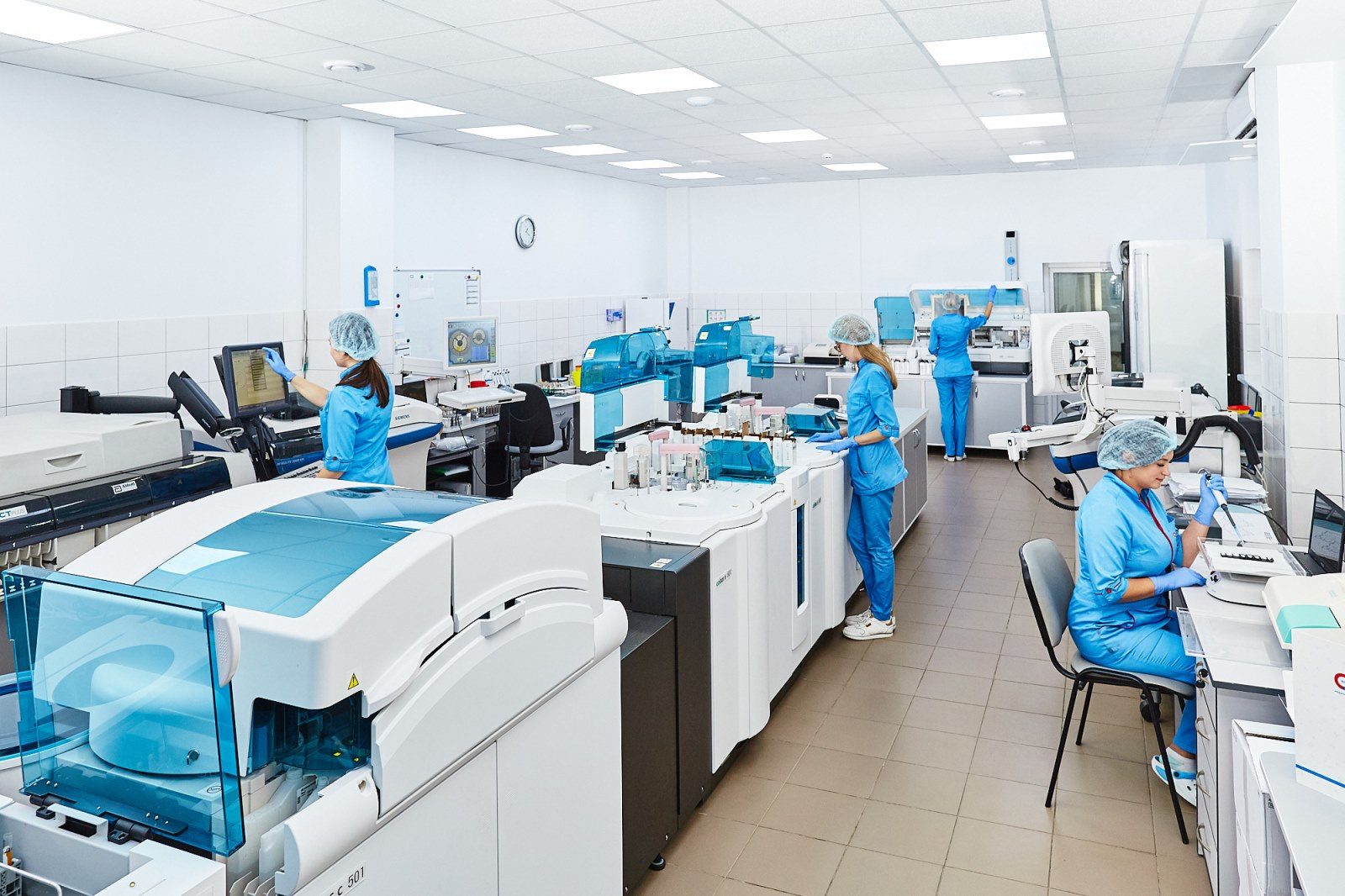
Analysts in food and environmental labs spent most of their day processing exports, checking QC and keying results. The agent now does it as each run finishes: import file, re-run list and review record ready before the analyst sits down.
Food and environmental testing labs · ICP-MS and GC/LC-MS methods
Metals batch close
320 = 320
Every sample accounted for before release.
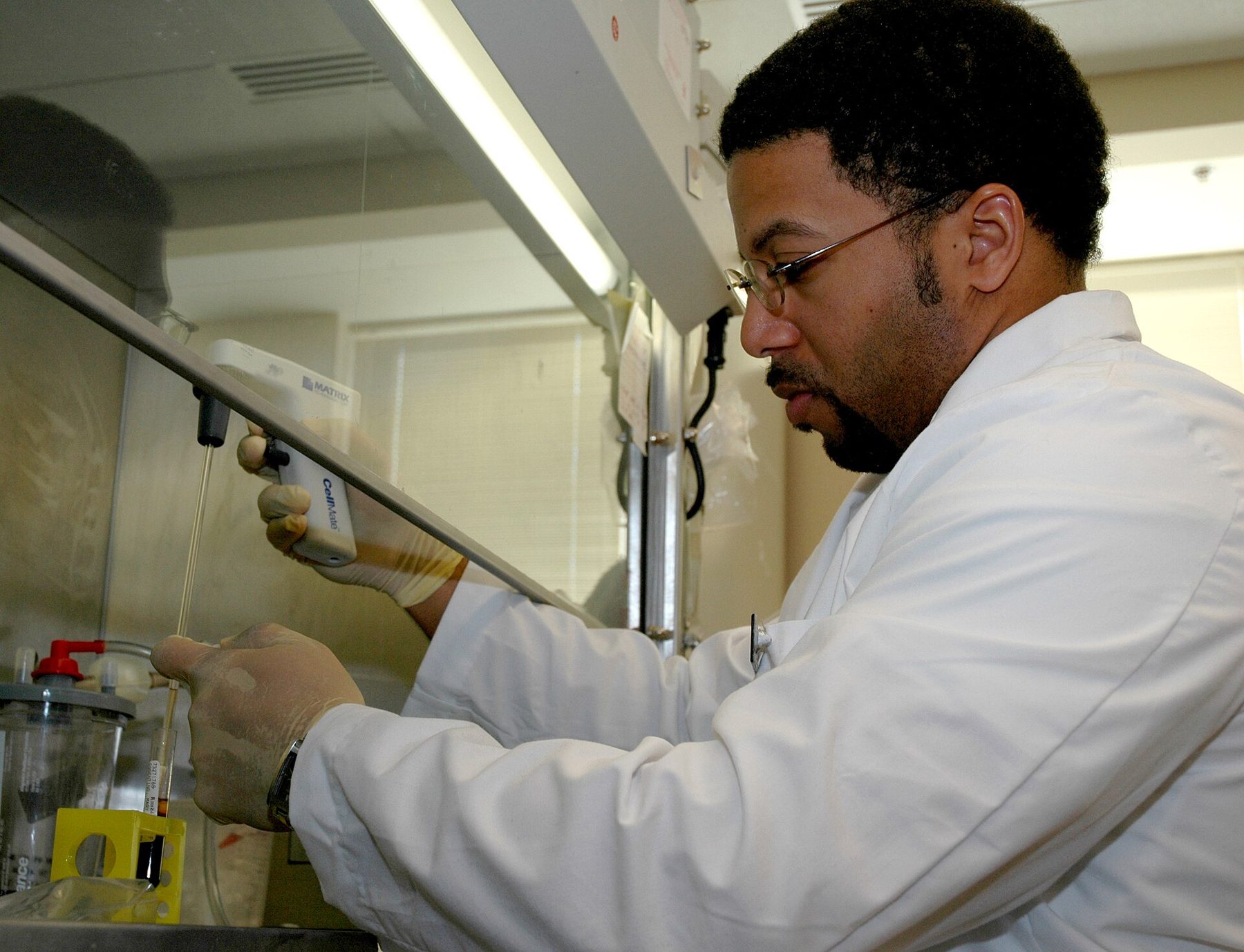
On an ICP-MS run of 320 samples, a continuing calibration check drifted to 87%. The agent invalidated the ten affected samples for lead only, released the other 310, and produced the import file and record. The old way: a chemist re-derives it.
Environmental lab · EPA 200.8
No migration, no install
0 migrations
Runs alongside the LIMS you already have.
Labs told us the same thing: changing the LIMS takes years and sometimes fails. Caddie reads export files and produces import files. Nothing touches the instrument PCs; nothing about your LIMS changes.
Independent contract labs · legacy and modern LIMS

 Private EquityNDA review, quarterly reporting and portfolio close, done for you
 LaboratoriesFood, environmental, pharma, CDMO and CRO labs: batch close, LIR and OOS
 GamingCasinos and racinos: promo reinvestment, player lists, F&B
 Process MappingRecord how a role works, map it, automate what repeatsAll solutionsPick the industry page that fits your business